School Learning Material - Mind Games - Olympiads
School Learning Material

Worksheet Download
Browse worksheets by learning area, then choose a topic to open its available printable collections.
WorksheetsLearn Alphabets
Tracing Worksheets
Practise capital-letter formation, pencil control, line movement and simple tracing paths.
 Line Tracing WorksheetsNursery and KG | 11 printable sheetsOpen collection >
 Blank Paper Line TracingNursery and KG | 11 printable sheetsOpen collection >
 Pattern Tracing WorksheetsNursery and KG | 10 printable sheetsOpen collection >
 Creative Path TracingNursery and KG | 10 printable sheetsOpen collection >
 Capital Letter Tracing A-ZPreschool and KG | 27 printable sheetsOpen collection >
 Capital Letter Trace and Write A-ZPreschool and KG | 26 printable sheetsOpen collection >
 Blank Paper Capital Letter Tracing A-ZPreschool and KG | 27 printable sheetsOpen collection >
 Blank Paper Capital Letter Trace and Write A-ZPreschool and KG | 26 printable sheetsOpen collection >
 Lowercase Letter Tracing A-ZPreschool and KG | 27 printable sheetsOpen collection >
 Blank Paper Lowercase Letter Tracing A-ZPreschool and KG | 27 printable sheetsOpen collection >
 Lowercase Letter Trace and Write A-ZPreschool and KG | 26 printable sheetsOpen collection >
 Blank Paper Lowercase Letter Trace and Write A-ZPreschool and KG | 26 printable sheetsOpen collection >
 Capital and Small Letter Tracing A-Z - Four LinesPreschool and KG | 26 printable sheetsOpen collection >
 Capital and Small Letter Tracing A-Z - Blank PaperPreschool and KG | 26 printable sheetsOpen collection >
 Capital and Small Letter Trace and Write A-Z - Four LinesPreschool and KG | 26 printable sheetsOpen collection >
 Capital and Small Letter Trace and Write A-Z - Blank PaperPreschool and KG | 26 printable sheetsOpen collection >
Free Tracing and Pencil Control Worksheets for Preschool and KG
Tracing worksheets give young children a practical first step toward confident handwriting. This collection brings together free printable line tracing worksheets, straight and curved paths, zigzag and pattern tracing, creative pencil-control activities, capital letter tracing from A to Z, and trace-and-write alphabet practice. The sheets are suitable for nursery, preschool, LKG, UKG and kindergarten learners who are developing fine motor control, hand-eye coordination, pencil grip and early letter formation.
Children can begin with wide horizontal, vertical and diagonal lines before progressing to curves, loops, shapes and uppercase alphabet strokes. Short, regular practice helps build the controlled hand movements needed for writing letters and numbers without making the activity tiring. Parents and teachers can print only the worksheet that matches the learner's present skill, repeat a favourite page when needed, or place a sheet inside a reusable sleeve for extra practice.
How to use tracing worksheets
Start with a comfortable pencil or crayon, demonstrate the direction of each stroke, and encourage slow movement along the path. A few focused minutes are more useful than a long session. When line tracing becomes easy, move to pattern paths and capital letter worksheets so the child can connect pencil control with correct alphabet formation.
Alphabet Matching Worksheets
Practise matching capital and small letters, recognising alphabet pairs and connecting letters with familiar objects.
 Capital and Small Letter Matching A-ZPreschool and KG | 10 printable sheetsOpen collection >
 Capital Letter and Object Matching A-ZPreschool and KG | 25 printable sheetsOpen collection >
 Small Letter and Object Matching A-ZPreschool and KG | 25 printable sheetsOpen collection >
Alphabet Matching Worksheets for Letter Recognition
Alphabet matching worksheets help preschool and kindergarten children recognise letters even when their size, case or context changes. Activities such as matching capital letters with small letters, connecting a letter to a picture, pairing identical alphabets and finding the correct letter partner strengthen visual discrimination and alphabet memory. These printable alphabet matching activities are useful for nursery, LKG, UKG, kindergarten and early Class 1 practice at home or in the classroom.
Matching tasks turn letter revision into a simple problem-solving activity. A child must look carefully, compare choices and recall the sound or shape connected with each symbol. This supports uppercase and lowercase letter recognition, early phonics readiness, concentration and vocabulary development. Picture matching can also help learners connect beginning sounds with familiar objects instead of memorising the alphabet only as an A-to-Z sequence.
Making alphabet matching practice effective
Introduce a small group of letters first and ask the child to name each one before drawing the matching line. Use capital-to-small letter worksheets after both forms have been taught separately. Encourage the learner to say the letter and its sound aloud while matching, then review incorrect pairs calmly. Repeated practice with different worksheet formats helps recognition become quicker and more dependable.
Capital Letter Before Worksheets
Practise identifying and writing the capital letter that appears immediately before a given letter.
 Capital Letter Before - Four LinesPreschool and KG | 10 printable sheetsOpen collection >
 Capital Letter Before - Blank PaperPreschool and KG | 10 printable sheetsOpen collection >
 Small Letter Before - Four LinesPreschool and KG | 10 printable sheetsOpen collection >
 Small Letter Before - Blank PaperPreschool and KG | 10 printable sheetsOpen collection >
What Comes Before Alphabet Worksheets
What comes before alphabet worksheets teach children to identify the letter that appears immediately earlier in the A-to-Z sequence. Instead of only reciting the alphabet forward, learners pause at a given letter and recall its previous neighbour. This develops alphabet order, letter recognition, memory and sequencing skills for preschool, LKG, UKG, kindergarten and Class 1 students.
Before-letter activities may show a single missing box, a short alphabet sequence or a group of choices. Solving them helps children understand that every letter has a fixed position. This foundation is useful for missing-letter exercises, alphabetical order, dictionary readiness and later language work. Printable worksheets also make it easy for parents and teachers to see which letter pairs need more revision.
Teaching the letter that comes before
Begin with an alphabet strip in view and let the child move one place backward from the printed letter. Practise with familiar pairs such as A-B, M-N and Y-Z, then gradually remove the visual guide. Ask the learner to say the short sequence aloud before writing the answer. Mixing easy and challenging letters keeps before-alphabet practice clear, encouraging and age appropriate.
Capital Letter After Worksheets
Practise identifying and writing the capital letter that appears immediately after a given letter.
 Capital Letter After - Four LinesPreschool and KG | 10 printable sheetsOpen collection >
 Capital Letter After - Blank PaperPreschool and KG | 10 printable sheetsOpen collection >
 Small Letter After - Four LinesPreschool and KG | 10 printable sheetsOpen collection >
 Small Letter After - Blank PaperPreschool and KG | 10 printable sheetsOpen collection >
What Comes After Alphabet Worksheets
What comes after alphabet worksheets help young learners find the next letter in the English alphabet. These printable activities build forward sequencing skills by asking children to look at a given capital or small letter and write the alphabet that follows it. They are designed for nursery, preschool, LKG, UKG, kindergarten and early Class 1 learners who already recognise several letters but need practice recalling their correct order.
Next-letter practice strengthens quick alphabet recall, attention and independent writing. It also prepares children for missing alphabet worksheets, word ordering and classroom activities that depend on a secure understanding of A to Z. Different formats can include one missing letter, short sequences, multiple choices and mixed uppercase or lowercase questions, allowing the difficulty to grow gradually.
Practising the next letter
Let beginners sing or speak the alphabet until they reach the displayed letter, then ask for the letter that comes next. An alphabet chart can be used at first and removed as confidence improves. Encourage children to name both letters before writing the answer, check the shape carefully, and revisit difficult transitions such as H-I, N-O and U-V in short practice sessions.
Capital Letter Between Worksheets
Practise finding and writing the missing capital letter between two letters in an alphabet sequence.
 Capital Letter Between - Four LinesPreschool and KG | 10 printable sheetsOpen collection >
 Capital Letter Between - Blank PaperPreschool and KG | 10 printable sheetsOpen collection >
 Small Letter Between - Four LinesPreschool and KG | 10 printable sheetsOpen collection >
 Small Letter Between - Blank PaperPreschool and KG | 10 printable sheetsOpen collection >
Missing Alphabet Between Letters Worksheets
Between-letter worksheets ask children to complete a short alphabet sequence by finding the missing middle letter. Seeing two neighbouring clues helps a learner reason about what belongs between them, making this activity a useful bridge from alphabet recitation to independent sequencing. Free printable missing alphabet worksheets can support preschool, kindergarten, UKG and Class 1 learners as they practise capital letters, small letters and A-to-Z order.
Finding the alphabet between two letters develops working memory, visual attention and sequence awareness. A child may complete patterns such as A, blank, C or identify the missing letter in a longer row. As confidence grows, mixed questions prevent learners from relying only on the beginning of the alphabet. The activity also reinforces accurate letter writing because the answer must fit both the letter before it and the letter after it.
Helping children solve missing-letter sequences
Ask the learner to read both visible letters, say the nearby alphabet sequence aloud and then write the missing answer. Use an alphabet strip for early practice, but encourage solving without it once the order is familiar. Review uppercase and lowercase sets separately before combining them, and keep each worksheet session short enough for careful, neat answers.
Vowel Worksheets
Learn, recognise and use A, E, I, O and U through tracing, matching, sorting and beginning-sound activities.

Vowel Worksheets for A, E, I, O and U
Vowel worksheets introduce children to the five English vowels: A, E, I, O and U. Printable activities for tracing, circling, colouring, matching and sorting vowels help nursery, preschool, LKG, UKG and kindergarten learners recognise these important letters in both uppercase and lowercase forms. A clear understanding of vowels gives children a stronger base for phonics, word building and early reading.
Young learners benefit from seeing each vowel beside familiar pictures and simple words. They can identify the beginning vowel sound, find vowels hidden among consonants, match capital vowels with small vowels, or complete an easy missing-vowel activity. These tasks strengthen letter recognition, listening, vocabulary and sound awareness without requiring children to read long instructions.
Teaching vowels through printable practice
Teach one vowel at a time, say its common sound, and connect it with a familiar example such as apple, egg, ink, orange or umbrella. After individual practice, use mixed vowel worksheets to check recognition. Ask the child to name the picture and listen for its opening sound before choosing an answer. Regular, playful revision makes the five vowels easier to remember and prepares learners for short vowel word families.
Consonant Worksheets
Recognise the 21 consonants, match capital and small letters, and practise beginning sounds and missing letters.

Consonant Worksheets for Preschool and Kindergarten
Consonant worksheets help children recognise the 21 alphabet letters that are not vowels. Printable consonant activities can include finding and circling consonants, sorting vowels and consonants, tracing capital and small letters, matching letters to pictures, and identifying beginning consonant sounds. These exercises are suitable for preschool, LKG, UKG, kindergarten and early primary learners building their first phonics and reading skills.
Learning consonants as a group helps children understand how letters work together to form words. Visual sorting improves letter recognition, while picture-based questions connect a printed consonant with a sound heard at the beginning of a familiar word. Repeated tracing also supports handwriting and strengthens the fine motor control needed for clear letter formation.
Building consonant recognition step by step
First make sure the child can identify A, E, I, O and U; every other alphabet letter can then be classified as a consonant. Introduce a few consonants at a time and pair each with a simple spoken word. Move from recognition to sorting and beginning-sound exercises, then combine capital and lowercase forms. Short printable practice sessions help learners remember consonants without turning revision into a long or confusing task.
Easy Reading Material
StoriesTimeless Stories & Life Lessons
Explore short illustrated stories with simple language, useful lessons and printable pages for young readers.
 Rohan and the Five Picnic Balloons
Counting, colours and family | 10 printable story pages
Read and print story >
Rohan and the Five Picnic Balloons
Counting, colours and family | 10 printable story pages
Read and print story >
 Liam Learns to Wash His Hands
Healthy habits and hygiene | 10 printable story pages
Read and print story >
Liam Learns to Wash His Hands
Healthy habits and hygiene | 10 printable story pages
Read and print story >
 Milo and the Quiet Crab
Friendship, patience and kindness | 10 printable story pages
Read and print story >
Milo and the Quiet Crab
Friendship, patience and kindness | 10 printable story pages
Read and print story >
 Noah and the Crab Castle
Confidence, creativity and friendship | 10 printable story pages
Read and print story >
Noah and the Crab Castle
Confidence, creativity and friendship | 10 printable story pages
Read and print story >
 Leo's One-Month Goal
Goal setting, practice and persistence | 10 printable story pages
Read and print story >
Leo's One-Month Goal
Goal setting, practice and persistence | 10 printable story pages
Read and print story >
 Ethan's Strong Steps
Healthy food, movement and confidence | 10 printable story pages
Read and print story >
Ethan's Strong Steps
Healthy food, movement and confidence | 10 printable story pages
Read and print story >
 Aarav's Thoughtful Gift
Empathy, careful spending and gratitude | 10 printable story pages
Read and print story >
Aarav's Thoughtful Gift
Empathy, careful spending and gratitude | 10 printable story pages
Read and print story >
 Max and the Too-Many Tricks
Honesty, safe jokes and family trust | 10 printable story pages
Read and print story >
Max and the Too-Many Tricks
Honesty, safe jokes and family trust | 10 printable story pages
Read and print story >
 Ming and Tao: Ready Before Play
Homework routines, preparation and play | 12 printable story pages
Read and print story >
Ming and Tao: Ready Before Play
Homework routines, preparation and play | 12 printable story pages
Read and print story >
 Ari, Anya and Gus Save for Winter
Saving, teamwork, seasons and sharing | 10 printable story pages
Read and print story >
Ari, Anya and Gus Save for Winter
Saving, teamwork, seasons and sharing | 10 printable story pages
Read and print story >
 Pip and the Easy Food Bowl
Kind help, daily habits and independence | 10 printable story pages
Read and print story >
Pip and the Easy Food Bowl
Kind help, daily habits and independence | 10 printable story pages
Read and print story >
Free Printable Reading Stories for Preschool and Kindergarten
These free illustrated reading stories for kids combine simple English sentences, clear picture clues and printable story pages for preschool, LKG, UKG, kindergarten and early primary learners. Children can practise colours and counting with Rohan, learn handwashing and healthy hygiene habits with Liam, and explore friendship, patience and kindness with Milo. Noah's beach adventure encourages quiet children to share ideas and build confidence, while Leo's football journey teaches goal setting, regular practice and persistence. Ethan's story introduces nourishing food and healthy family routines. Aarav's festival story develops empathy and gratitude, while Max's family story explains why false alarms can damage trust. Ming and Tao show how homework planning leaves time for relaxed play. Ari, Anya and Gus introduce seasons, saving, teamwork and sharing. Pip's squirrel story shows how kind help can become a waiting habit, then encourages observation, problem-solving, daily effort and learning to try independently. The short picture stories work well for classroom reading, bedtime stories, home learning and guided read-aloud sessions with parents or teachers.
Printable kids stories help develop early reading confidence, vocabulary, listening, comprehension and story sequencing. Ask children to predict what happens next, name objects in each picture, identify new words and retell the story in order. These easy reading materials also support speaking practice, social-emotional learning, growth mindset and everyday life lessons. Open any story to read online or print its A4 pages for a reusable kindergarten reading activity, literacy lesson or primary classroom discussion.
Short English stories about kindness, wisdom, family and saving.
 Ganesha and Kubera: A Feast Beyond WealthA short Ganesha story about wealth and what matters most.Watch and listen >
 Aarav's Thoughtful Gift: Love and KindnessA gentle story about choosing a gift with care.Watch and listen >
 Ganesha and Kartikeya: The Great RaceThe brothers' famous race retold in English for children.Watch and listen >
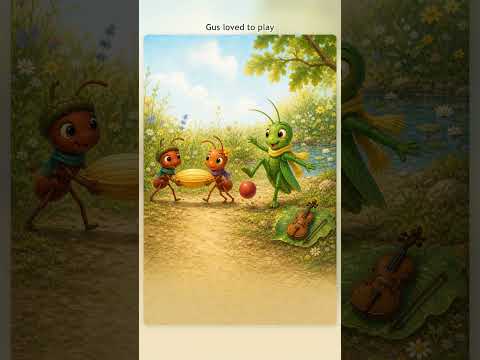 The Ant and the Grasshopper: Saving for TomorrowA classic fable about saving and preparing for the future.Watch and listen >
Learning Games
Learn Alphabets
 Pick and Arrange Alphabets Game
 Alphabet Slot Puzzle Game
 Capital and Small Alphabet Match Game
 Guess the Alphabet Game
 Vowel Catch Game
 Vowel and Consonant Count Game
These free online alphabet games help preschool, kindergarten and early primary children practise A-to-Z order, uppercase and lowercase letter matching, missing letters, vowels and consonants. Short interactive activities support letter recognition, early phonics, visual memory, sequencing and concentration, making alphabet learning more engaging for classroom revision and practice at home.
Learn Numbers
 Number Slot Puzzle Game
 Number and Object Match Game
 Guess the Number Game
 Number Quiz Game: Math Practice Online
 Slide and Arrange Number Game
These online number learning games and math quizzes help preschool, kindergarten and early primary children practise counting, number order, before-and-between relationships, number-object matching and simple mental maths. Puzzle-based play develops number recognition, logical thinking, visual memory and problem solving while giving nursery, KG and primary students a friendly way to repeat essential numeracy skills.
Preschool Puzzles


These preschool puzzle games use shapes, slots, colours and sorting tasks to help young children compare objects and find patterns. Online puzzles for nursery and kindergarten learners build visual discrimination, spatial reasoning, classification, hand-eye coordination, patience and focus, supporting early problem-solving skills through simple, age-appropriate play.
Fun Motor Skill Games for Kids


These online motor skill games for kids combine movement, timing and quick decisions with simple controls. Bike riding, catching and obstacle activities can support hand-eye coordination, reaction time, keyboard or touch control, visual tracking and sustained attention, giving preschool and primary students an enjoyable way to practise coordination and focus.
Fun Mind Games for Kids and Adults


These free online mind games for kids and adults exercise memory, attention, logic, speed and strategic thinking. Shuffle, sliding, dodging and quick-response challenges encourage concentration, pattern recognition, planning, reaction time and problem solving, making them useful brain games for students, families and adults seeking short mental workouts.
Spell Bee | Spell B

This free online spelling bee quiz for kids offers age-level word practice from KG to Grade 5 and supports classroom Spell Bee, spelling B and English Olympiad preparation. Listening and typing activities strengthen spelling accuracy, phonics, vocabulary, pronunciation, auditory memory and word recall, while meanings, sentences and graded difficulty help students learn unfamiliar words in context.
About EmiCalcy
This school corner is being shaped as a useful place for printable worksheets, easy reading practice, and learning games for young learners.


